Structured data has become a crucial element in modern SEO strategies. As search engines become more sophisticated, they rely on structured data to better understand the content of your website. In 2025, mastering structured data will not only improve your search rankings but also increase your chances of appearing in featured snippets, rich snippets, and other AI-generated results.
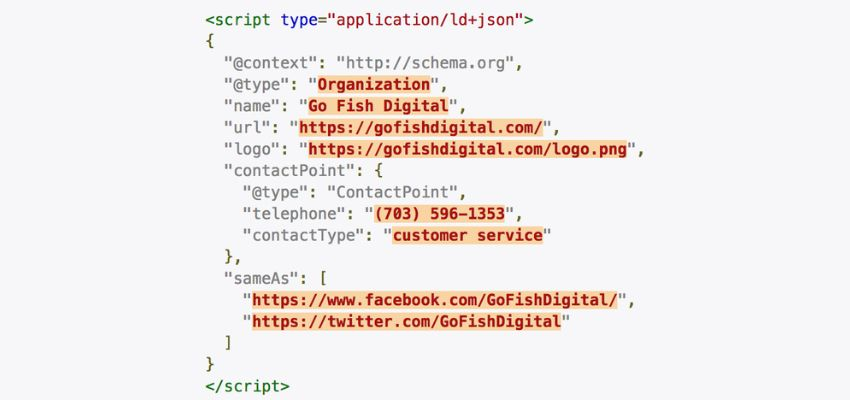
What is Structured Data?
Structured data refers to a specific format used to organize information on a webpage. It uses schemas (like those defined by Schema.org) to mark up your content with labels that search engines can easily parse. For example, you can mark up articles, products, recipes, and even events.
This data is typically placed in JSON-LD format and added to the HTML of your website. Structured data helps search engines understand and categorize content, making it easier for them to deliver relevant search results.
Why Structured Data Matters for SEO in 2025
In 2025, structured data will be more important than ever. With Google’s AI and machine learning algorithms becoming more prominent, structured data helps search engines connect the dots between your content and search queries.
Structured data provides the context search engines need to accurately match your website with user intent, improving rankings and visibility.
How to Implement Structured Data on Your Website
Implementing structured data is straightforward but requires a few key steps:
Choose the Right Schema: Depending on your content, you may use Product, Article, FAQ, Event, or HowTo schemas.
Add JSON-LD to Your HTML: Once you’ve chosen the correct schema, you’ll add the JSON-LD markup to your HTML page.
Test Your Data: Use Google’s Rich Results Test tool to ensure your structured data is correctly implemented.
Monitor Results: After implementation, monitor your performance via Google Search Console to see how your rich results are performing.

Best Practices for Structured Data in 2025
Here are some best practices to follow in 2025:
Use JSON-LD format over Microdata or RDFa for better Google support.
Include all relevant information: For products, include details like price, availability, and ratings.
Don’t over-optimize: Avoid adding unnecessary structured data or irrelevant content.
Keep your structured data up-to-date: Regularly update your content and schemas to stay relevant with the latest search trends.
Tools to Help with Structured Data Implementation
Several tools can help streamline the structured data process:
Google Structured Data Markup Helper: A user-friendly tool to generate code.
Google Search Console: To monitor structured data performance.
Schema App: A platform that simplifies schema implementation.
Merchants Tools: For e-commerce sites, specialized tools like WooCommerce Structured Data help with schema setup.
Conclusion
Structured data is one of the most powerful tools you can use to enhance your website’s SEO in 2025. By properly implementing and optimizing structured data, you can improve your site’s visibility in search results, increase your chances of appearing in rich snippets, and build a strong foundation for AI-driven search results.
FAQ Section
Q1: What is structured data in SEO?
A1: Structured data refers to code added to a website to help search engines understand and categorize the content. It’s used to improve how content appears in search results, such as in rich snippets and knowledge panels.
Q2: Why is structured data important for SEO in 2025?
A2: In 2025, structured data plays a crucial role in helping websites stand out in search results. With AI-driven search and Google’s Knowledge Graph, structured data enables search engines to understand the relationships between entities, improving visibility in rich snippets and other enhanced search features.
Q3: How can I add structured data to my website?
A3: To add structured data, choose the appropriate schema type (e.g., Product, Article, FAQ) from Schema.org, and implement it in JSON-LD format on your site. You can test it using Google’s Rich Results Test tool to ensure correct implementation.
Q4: Can structured data help my business rank better in local searches?
A4: Yes! Structured data can improve local SEO by providing search engines with detailed information about your business, such as its location, services, hours, and reviews. This helps your business appear in local search results and Google Maps.
Q5: What are common mistakes to avoid when implementing structured data?
A5: Common mistakes include using incorrect or irrelevant schemas, duplicating structured data on the same page, and not testing or validating your structured data. Always ensure the data is accurate, relevant, and up-to-date.
Q6: How can I monitor the performance of my structured data?
A6: Use Google Search Console to monitor how structured data affects your performance. It will show you errors, impressions, and rich results that were generated using structured data.