In today’s digital landscape, search engine optimization (SEO) plays a pivotal role in determining a website’s visibility. One powerful tool in boosting your SEO is structured data and schema markup. These technologies help search engines better understand your content, which can result in higher rankings, better user experience, and increased click-through rates (CTR). In this blog, we will explore what structured data is, how schema markup improves SEO, and how you can implement it effectively on your website to improve search engine rankings.
What is Structured Data?
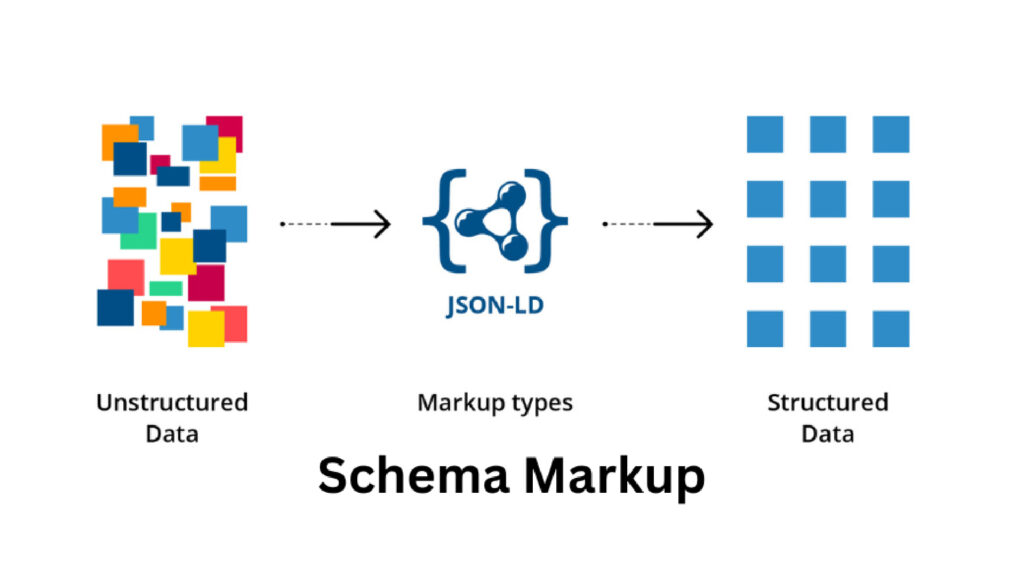
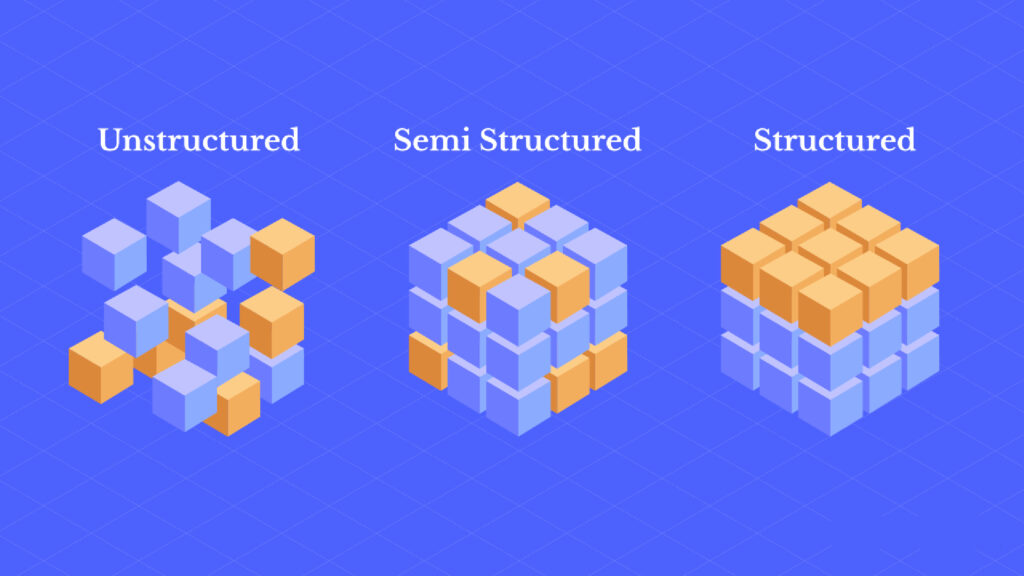
Structured data refers to a standardized format for providing information about a webpage’s content and classifying it. This data is presented in a way that search engines, like Google, can easily process. Schema markup is a type of structured data that uses specific tags (like JSON-LD, Microdata, and RDFa) to tell search engines exactly what your content means, rather than just what it says.
By adding schema markup to your website, you essentially provide a “map” for search engines to interpret your content, which can result in rich snippets, featured snippets, and more visibility in the search results.
Why is Schema Important for SEO?
Schema markup is important because it allows you to communicate more directly with search engines, offering them precise context about the content on your pages. The more accurately search engines can understand your content, the better they can display it to users in the most relevant context.
For example, with proper schema markup, your content could appear as rich snippets — additional information shown directly in search results. These snippets are highly engaging and can significantly increase the click-through rate (CTR) on your website, which ultimately boosts rankings.
Types of Schema Markup to Use
There are several types of schema that can be added to your website, depending on the content you’re showcasing. Below are the most commonly used schema types for SEO:
JSON-LD (JavaScript Object Notation for Linked Data): This is the most popular and Google-recommended method of adding schema markup. It’s easy to implement and doesn’t interfere with the actual HTML of the page.
Microdata: This older format is embedded directly within the HTML of your page. While it’s still widely used, Google’s preference is for JSON-LD.
RDFa (Resource Description Framework in Attributes): Similar to Microdata, RDFa allows for embedding structured data within the HTML. It’s often used for more complex data relationships.
Benefits of Schema Markup for SEO
Enhanced Search Visibility: Schema markup helps your website stand out in search results by enabling rich snippets that show additional details like reviews, ratings, or product prices.
Improved CTR: Rich snippets attract more clicks because they provide extra information, making your listing more attractive to users.
Better Content Understanding by Search Engines: With schema markup, search engines like Google can understand your content in a more precise way, which helps improve your rankings.
Higher Rankings: When search engines better understand your content, they’re more likely to rank it higher in the results, especially for relevant search queries.
How to Implement Schema Markup on Your Website
Implementing schema markup on your website is easier than you might think. Here’s how you can do it:
Use Google’s Structured Data Markup Helper: Google provides a simple tool to help you add schema to your content. You can select the type of data you want to mark up (e.g., articles, events, products) and then input the URL of the page you want to add schema to.
Manually Add JSON-LD Schema: If you’re comfortable with code, you can manually add the JSON-LD schema to the
<head>section of your webpage. Here’s a basic example for adding a product schema:{ "@context": "https://schema.org", "@type": "Product", "name": "Sample Product", "image": "https://example.com/product.jpg", "description": "This is a description of the product.", "sku": "12345", "offers": { "@type": "Offer", "url": "https://example.com/product", "priceCurrency": "USD", "price": "19.99" } }Test Your Schema Markup: After adding schema to your page, it’s important to test it using Google’s Rich Results Test tool. This tool helps ensure that the markup is valid and that Google can read it correctly.
Frequently Asked Questions (FAQs)
What is structured data in SEO?
Structured data is a way to organize and categorize the content of your webpage using a standardized format that search engines can easily understand, improving SEO.How does schema markup improve SEO?
Schema markup provides search engines with more context about your content, which can lead to enhanced visibility in search results, rich snippets, and better rankings.What is the best type of schema to use for SEO?
JSON-LD is the most recommended schema for SEO because it’s easy to implement, doesn’t interfere with your page’s HTML, and is supported by Google.Can structured data impact search engine rankings?
Yes, structured data can improve rankings by helping search engines understand your content better, which increases the likelihood of ranking higher in search results.How can I implement schema markup on my website?
You can use tools like Google’s Structured Data Markup Helper or manually add JSON-LD schema to your webpage. Make sure to test your markup with Google’s Rich Results Test tool.
Using structured data and schema markup on your website is an essential step in improving your SEO strategy. It enhances your visibility in search results, provides a better user experience, and boosts your chances of ranking higher on Google. By implementing schema markup correctly, you help search engines understand your content in the right context, leading to more organic traffic and increased CTR. Make sure to test your markup regularly to ensure it’s working as expected and continue to adapt to the latest SEO best practices.